News · 8 April 2025 · 5 min read
Why is the price of coffee rising in 2025?
Climate change, logistics, quality: we explain why coffee costs more, and how Bean2me is anticipating the rise.
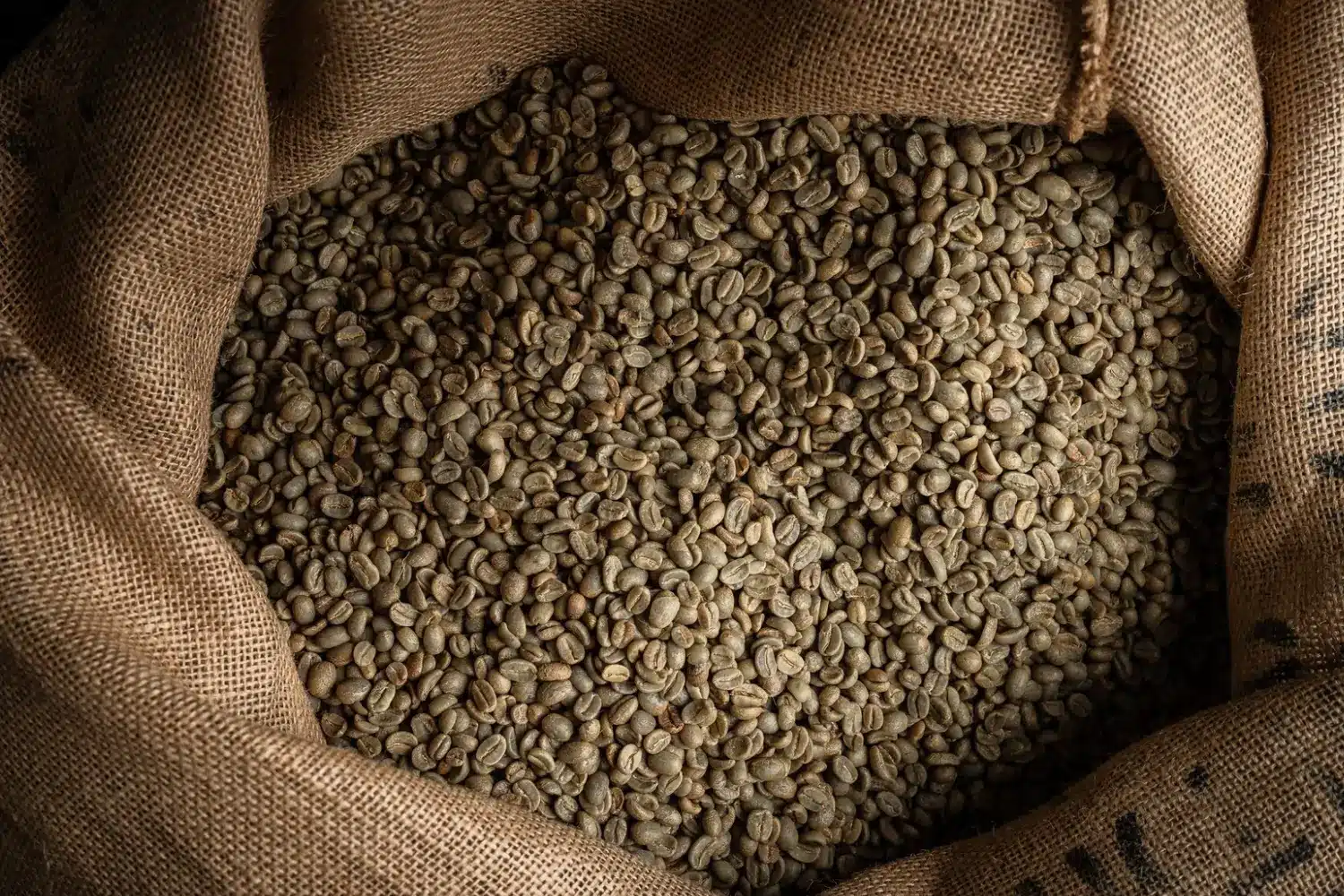
Green coffee prices soar to a 10-year high
Since the end of 2024, green coffee prices have reached historic highs. In March 2025, Arabica passed 243 cents per pound on the Intercontinental Exchange in New York, a peak not seen since February 2011 (source: Bloomberg, ICO). That is roughly 5.40 Swiss francs per kilo of green coffee, compared with about 3.60 francs a year ago. This spectacular rise is not yet fully reflected in the price per cup, but it is starting to show in supermarkets. Some industrial brands sold at Coop or Migros have already raised their prices (even though they are still roasting green coffee bought at much lower prices in 2023 or early 2024). The most exposed players are those running a volume model, with short-term buying and a constant search for the lowest price. They are the ones who now have to adapt in a hurry, sometimes by adjusting their blend or cutting their margins, but often by passing these increases on to their clients. At Bean2me, we have been anticipating these market movements for several years. By focusing on quality, transparency and direct relationships with producers, we made a clear choice: to pay a fair price for our coffees. This approach, which may seem more expensive in the short term, now protects us from the extreme swings hitting entry-level coffees. Above all, it guarantees your teams consistently great coffee, whatever the economic climate.
Climate, production, stocks: mounting pressure
If green coffee prices are soaring, it is not only because of speculation. Above all, it is the result of a deep imbalance between supply and demand. And this imbalance is largely explained by climate disruption, which is hitting producing countries harder and harder. The 2023-2024 season was particularly unstable in several key regions. In Brazil, the world's leading Arabica producer, severe droughts held back flowering, followed by excessive rain at harvest time. The result: lower yields, less uniform cherries and lower overall quality. In Vietnam, another major player in the market, producers face the combined effects of El Niño, water stress and deforestation. These events are no longer one-offs, but recurring. East Africa and Central America, two key regions for single-origin coffees, are also seeing more fungal diseases such as leaf rust, linked to climate instability. In this context, global coffee stocks have fallen to their lowest level in almost 20 years. According to the International Coffee Organization, certified Arabica stocks fell below 300,000 bags in early 2025, a critical threshold that is fuelling market tension. With global demand still strong, particularly in Asia and Europe, this scarcity naturally pushes prices up. These climate events are not isolated, and it would be naive to think they will settle down in the coming years. Coffee production is becoming more unpredictable, riskier and more expensive. For companies that want to take a sustainable approach, this reality calls for a fresh look at the coffee value chain.
Logistics and speculation: a knock-on effect
On top of the strain on production, there is major disruption in logistics. Sea freight, which carries green coffee from producing countries to Europe, is going through heavy turbulence. Several key routes are now slowed down or diverted. Attacks in the Red Sea are forcing many carriers to sail around Africa via the Cape of Good Hope, adding several weeks to journeys. Meanwhile, the Panama Canal is suffering from a water shortage caused by a persistent drought, which limits the number of ships that can pass and creates logistical bottlenecks. These constraints are driving a sharp rise in freight costs and delivery times. Less coffee available, higher transport costs: that alone is enough to push prices up. Add to this a well-known factor in commodity markets: speculation. With global stocks at their lowest and uncertain weather conditions, investors expect further increases. They buy heavily, which adds even more volatility. Roasters and distributors who buy short term, without a secure purchasing strategy, are directly affected. They have to cope with fluctuating prices, supply delays and squeezed margins. These are often the players who will have to raise their prices in the coming months.
Are we raising our prices in 2025? No, and here's why
With the pressure currently weighing on the whole coffee market, many players have no choice but to raise their prices. Their model relies on large volumes, short-term buying and a constant search for the lowest price. Today, that model is showing its limits. At Bean2me, we believe in another way of doing coffee. We chose to work with quality coffees, fairly paid, selected for their taste and their impact. This means our prices are stable, transparent and consistent with what we have stood for from the start. In 2025, we are not passing market increases on to our clients. Why? Because we have never speculated on coffee. Because we buy directly, working with cooperatives and reliable partners. Because our coffees, like those in the Chronic. range, roasted locally and delivered without fossil fuels, are already valued at their fair price. We still sometimes hear: “But your competitor is cheaper.” And it's true. Some are. But at what cost? Quality, taste, transparency, or respect for the work of producers? We prefer to calmly explain why we don't try to be the cheapest, but to stay consistent, reliable and committed for the long term. We don't just sell coffee. We are experts in the sustainable office coffee break in French-speaking Switzerland. A coffee break that has meaning, brings people together, and respects the world that makes it possible. In 2025, choosing your office coffee is no longer a logistical detail, it is a statement of commitment. Making the coffee break a strategic choice again